Disclosure baskets
What happens to the companies that insiders, members of Congress and funds reported buying? Each basket holds them under a written rule, equal-weighted, and is measured against the S&P 500. A company enters only once its report is public, so these figures are what someone reading the filings could have followed, not what the buyers earned.
Closing prices of Nov 25, 2026. Updated every trading day.
Compare every basket over
The 3 months figures below all cover the same number of sessions up to the Nov 25, 2026 close, for each basket and the S&P 500 alike.
Congress
Companies that members of Congress reported buying: all of them together, and the members who report the most.
Congress
Congress buys
Companies that members of Congress reported buying in the last 90 days.
- Last session
- +0.14%
- 3 months
- −5.8%
- Against S&P 500
- +1.2 pts
60 companies now History from Nov 24, 2025
Member of Congress
Alan Armstrong
Companies Alan Armstrong reported buying in the last 180 days.
- Last session
- +0.46%
- 3 months
- −0.8%
- Against S&P 500
- +6.3 pts
20 companies now History from Jul 22, 2026
Member of Congress
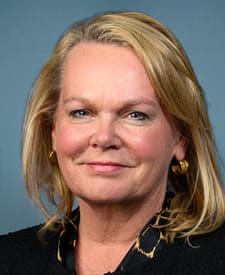
April McClain Delaney
Companies April McClain Delaney reported buying in the last 180 days.
- Last session
- +1.27%
- 3 months
- −4.8%
- Against S&P 500
- +2.3 pts
11 companies now History from Nov 24, 2025
Member of Congress
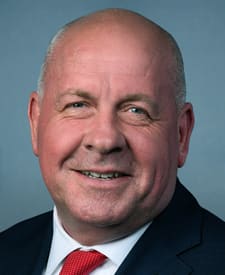
David J. Taylor
Companies David J. Taylor reported buying in the last 180 days.
- Last session
- −0.32%
- 3 months
- −0.8%
- Against S&P 500
- +6.2 pts
16 companies now History from Nov 24, 2025
Member of Congress
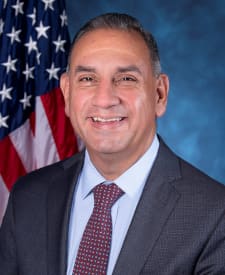
Gilbert Ray Cisneros Jr.
Companies Gilbert Ray Cisneros Jr. reported buying in the last 180 days.
- Last session
- +0.57%
- 3 months
- −2.7%
- Against S&P 500
- +4.4 pts
20 companies now History from Nov 24, 2025

Member of Congress
Jared Moskowitz
Companies Jared Moskowitz reported buying in the last 180 days.
- Last session
- +3.63%
- 3 months
- −2.3%
- Against S&P 500
- +3.4 pts
7 companies now History from Nov 20, 2025

Member of Congress
Lisa C. McClain
Companies Lisa C. McClain reported buying in the last 180 days.
- Last session
- −4.48%
- 3 months
- −22.0%
- Against S&P 500
- −12.3 pts
7 companies now History from Nov 19, 2025
Member of Congress
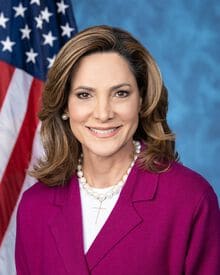
Maria Elvira Salazar
Companies Maria Elvira Salazar reported buying in the last 180 days.
- Last session
- +0.04%
- 3 months
- −8.8%
- Against S&P 500
- −1.8 pts
17 companies now History from Apr 22, 2026
Insiders
Companies whose own directors and officers bought shares with their own money.
Insiders
Insider buying
Companies whose own insiders bought shares on the open market, at least $100,000 in one purchase, in the last 60 days.
- Last session
- +1.35%
- 3 months
- −22.1%
- Against S&P 500
- −15.1 pts
60 companies now History from Nov 24, 2025
Insiders
Insider cluster buys
Companies where three or more different insiders bought on the open market within 30 days.
- Last session
- +0.33%
- 3 months
- −19.1%
- Against S&P 500
- −12.1 pts
60 companies now History from Nov 24, 2025
Funds
Companies that funds newly bought, as shown by their quarterly 13F filings.
Common questions
What is a disclosure basket?
A basket of the companies that insiders, members of Congress or funds reported buying, held under a written rule, with equal weights, and measured against the S&P 500. It describes what a rule on public reports would have done.
Why does a company join the basket only after its report is public?
Because nobody could act on a purchase before it was reported. Each company joins the session after the report's date and the position is opened at that session's close, so the figures are what someone reading the filings could have followed, with no hindsight.
Does a basket show what Congress or a fund owns?
No. It follows reports of purchases, not holdings. A long-held position that was not traded recently does not appear, and reports arrive days or weeks after a trade (a 13F up to 45 days after the quarter ends).
Is this investment advice?
No. The baskets describe public filings and how the companies in them performed. Past results say nothing about the future, and the figures ignore trading costs and dividends.
How to read these baskets
- A basket is a rule, not a portfolio. It does not show what anyone owns, only what was reported as bought.
- Reports are late: a purchase by a member of Congress is filed days or weeks after the trade, a 13F up to 45 days after the quarter. A company joins the session after its report is public.
- Equal weights, rebalanced every session, no trading costs, no dividends. Past results say nothing about the future. This is information, not investment advice.
Questions about disclosure baskets
How is a disclosure basket built?
Each basket adds a stock after a group, such as insiders, members of Congress or funds, reported buying it, at the first close after the filing was public. The basket's value is then followed day by day against the S&P 500, with every company inside listed.
What is the difference between equal weight and weight by size?
Equal weight puts the same amount in each disclosed purchase. Weight by size puts more in larger disclosed purchases. The two can give very different results, so the page lets you switch between them.
Can I invest in an OQRO basket?
No. A basket is a calculation on public filings, not a fund, a product or advice. It ignores trading costs and taxes.